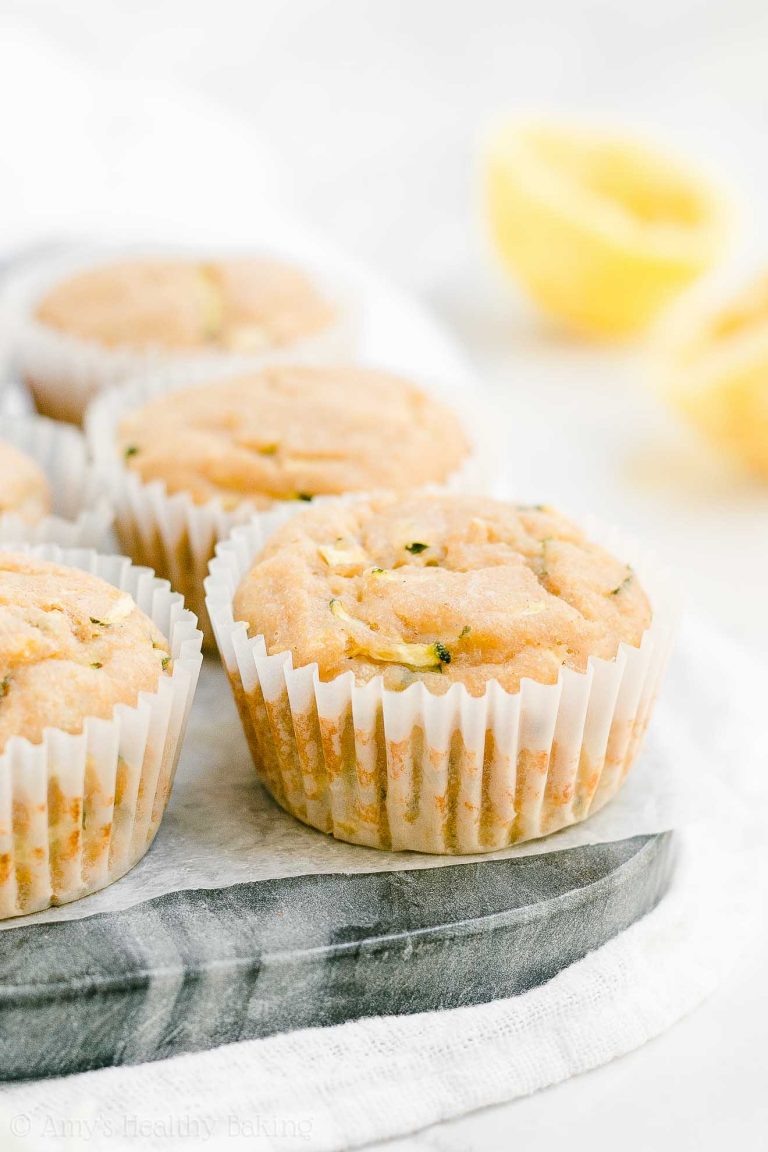
Peanut Butter Cheesecake Pie
Peanut Butter Cheesecake Pie
Yield: 12 slices
Equipment: 9-inch springform pan; mixer; roasting pan; thermometer
Time and setting: 325°F; 60–75 minutes plus chilling
Ingredients
- 1 1/2 cups graham crumbs
- 5 tablespoons melted butter
- 16 ounces block cream cheese, softened
- 3/4 cup smooth peanut butter
- 3/4 cup sugar
- 1 cup plain Greek yogurt
- 3 large eggs
- 1 teaspoon vanilla
- 1 tablespoon cornstarch
- 1/4 teaspoon salt
Method
- Heat oven to 325°F. Wrap pan exterior in foil. Mix crumbs and butter; press into base and bake 10 minutes.
- Beat cream cheese, peanut butter, and sugar on low until smooth. Mix in yogurt, vanilla, cornstarch, and salt; add eggs one at a time.
- Pour over crust. Set pan in roasting pan with 1 inch hot water. Bake 60–75 minutes until edges set and center reaches 160°F.
- Remove from bath, cool 1 hour, then chill at least 6 hours before slicing.
Preparation notes
Read the full method first, prepare the pan, and arrange ingredients in order. Keep raw egg or poultry tools separate from ready-to-eat food. Divide the batch evenly and preserve the stated rest, chill, or cooling period.
Substitutions
Use conventional smooth peanut butter, not separated natural-style spread. Sunflower butter may replace peanut butter for a nut-free version if labels are verified.
Storage and safety
Refrigerate within 2 hours up to 4 days. Freeze wrapped slices up to 1 month; thaw overnight refrigerated.
Planning and consistent results
Measure every ingredient before beginning and keep the listed ingredient state—cold, softened, drained, or frozen—because it affects texture. Use the stated equipment capacity and divide the mixture for the stated yield. Begin checking at the low end of the time range, then rely on the visual cue and thermometer endpoint rather than the clock alone.
For neat portions, use a level scoop or measured spoon and keep portions equal. Let baked or chilled recipes complete their stated resting period before cutting or filling. If a substitution changes moisture or fat, make only that one change on the first batch rather than altering several variables together.
Label stored portions with the preparation date. Reheat only what is needed and avoid repeated warming and cooling. Check all packaged-product labels for allergens and formulation changes. Any garnish should be measured separately and must not be used to infer diet-program points or nutrition values.